 Qijiang Precision Machinery
Service Center
 Whatsapp
Contacts
Contact
Lisa
Whatsapp
08615006191865
WeChat
08615006191865
Qrcode

Scan Whatsapp
Service Center


Qijiang
Precision Machinery

Plastic Corrugated Box Ultrasonic Welding Machine: Joining Efficiency and Strength
Time: 2023-10-02 12:24:58
Click:
A plastic corrugated box ultrasonic welding machine is a specialized piece of equipment used for joining plastic corrugated boxes using ultrasonic welding technology. Ultrasonic welding is a process that utilizes high-frequency vibrations to create heat and pressure at the joint interface, causing the thermoplastic material to melt and form a strong bond when solidified.

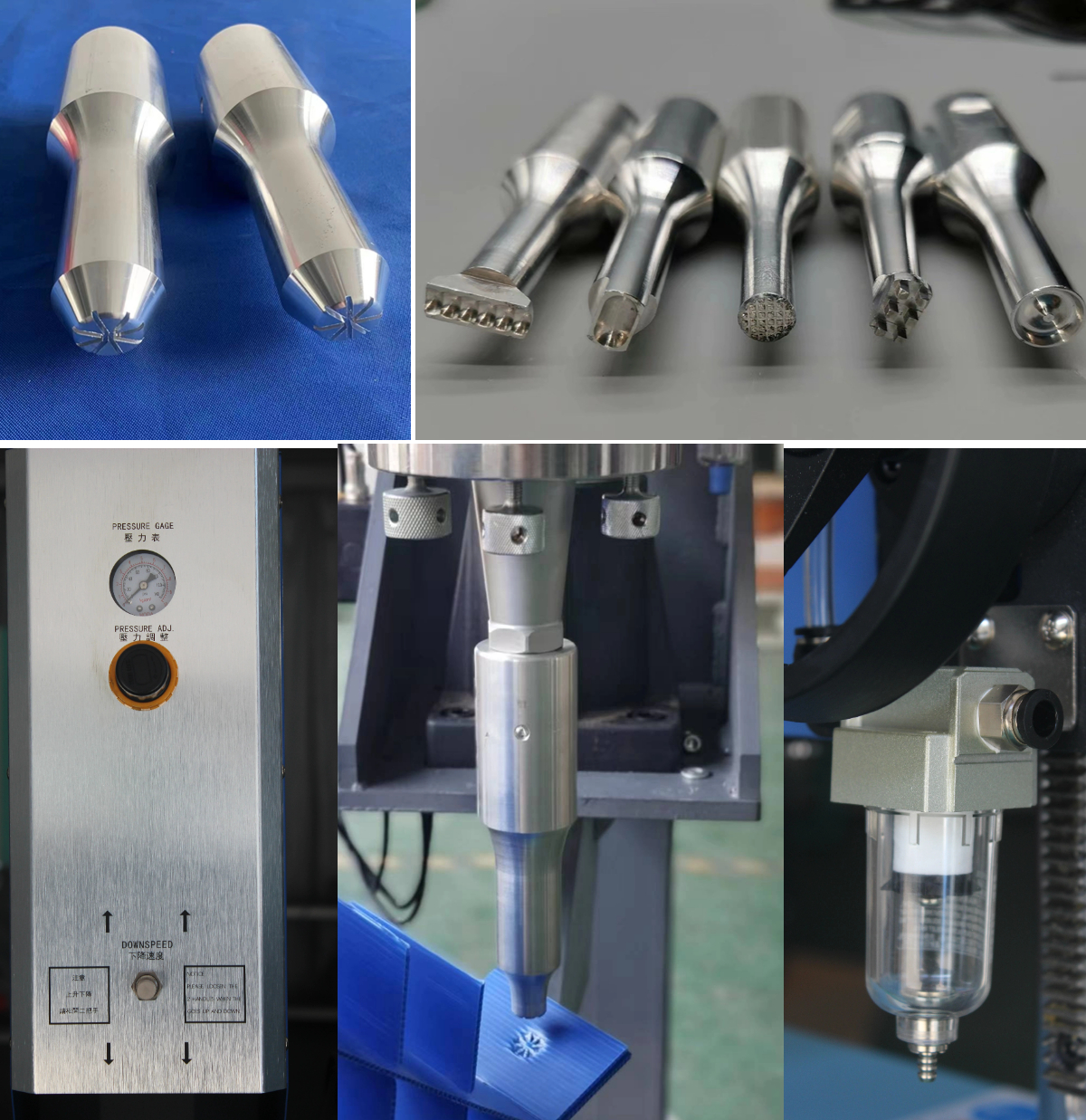
The machine typically consists of several components, including:
1.Ultrasonic generator: It generates high-frequency electrical signals.
2.Transducer: Converts the electrical energy into mechanical vibrations.
3.Horn or sonotrode: Amplifies and directs the vibrations onto the joint area.
4.Fixture or anvil: Supports and positions the plastic corrugated boxes during the welding process.
5.Control panel: Allows the operator to adjust various welding parameters and monitor the welding process.

The operation of a plastic corrugated box ultrasonic welding machine involves the following steps:
1.Preparation: The plastic corrugated boxes to be joined are positioned in the fixture or anvil.
2.Setting parameters: The operator adjusts the welding parameters on the control panel, such as amplitude, time, and pressure, based on the specific requirements of the material and joint design.
3.Activation: The machine is activated, initiating the generation of ultrasonic vibrations.
4.Application of vibrations: The vibrations are directed through the horn onto the joint area, causing the plastic material to soften and melt.
5.Bonding: As the vibrations continue, pressure is applied to the joint area, allowing the melted plastic to fuse together and form a solid bond.
6.Cooling and solidification: After a specified period, the vibrations cease, and the plastic material cools and solidifies, completing the welding process.
Repeating the process: If multiple joints are required, the operator can adjust the position of the plastic corrugated boxes and repeat the welding process.
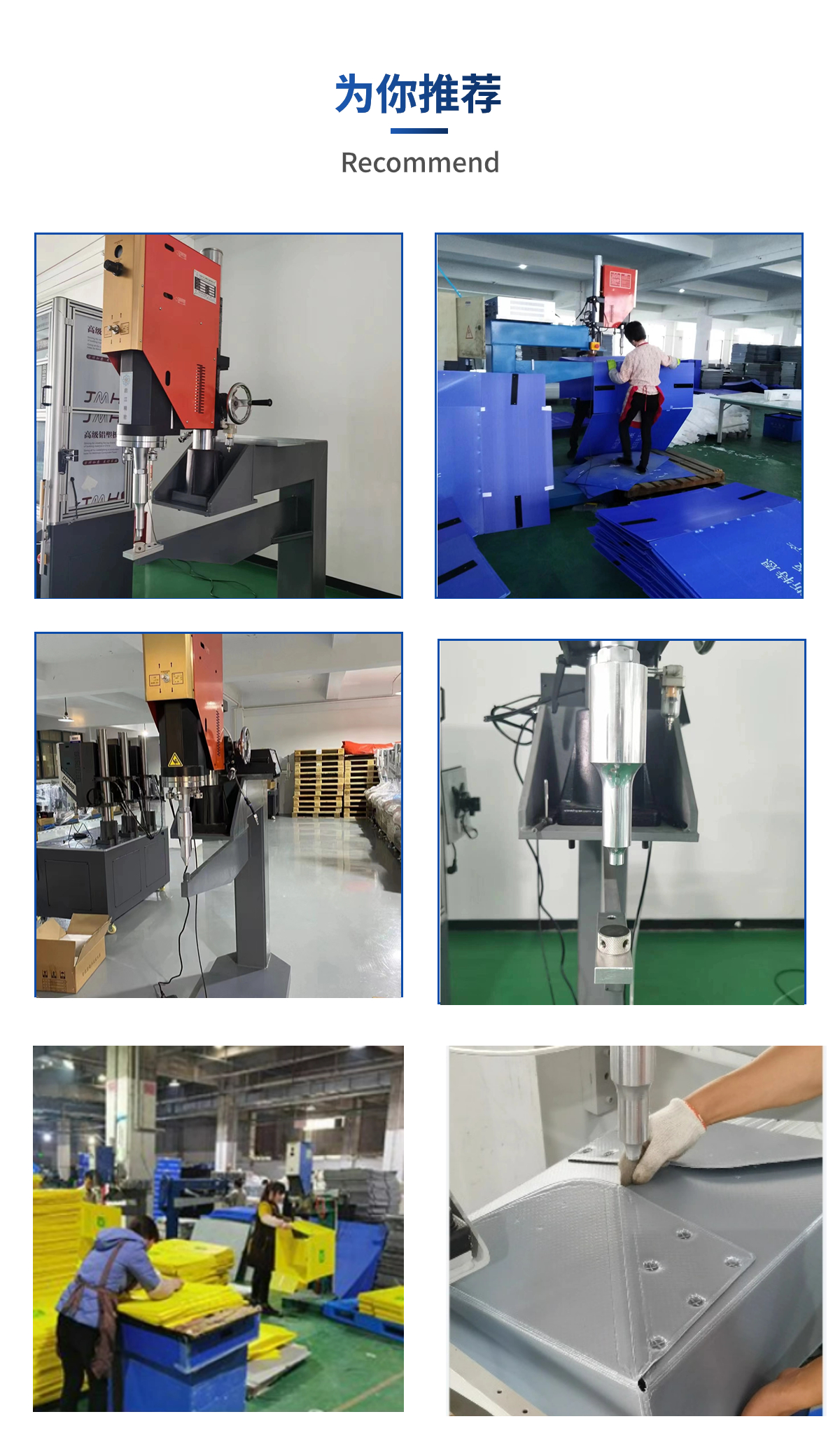
Plastic corrugated box ultrasonic welding machines are commonly used in industries such as packaging, automotive, electronics, and medical devices. They offer advantages like high production speeds, consistent weld quality, no additional consumables, and the ability to join materials without the need for adhesives or mechanical fasteners.


Products
CONTACT US
Sales manager: Lisa
Whatsapp/wechat:+08615006191865
Email:qjmachinery@gmail.com
COPYRIGHT © 2025 Wuxi Qijiang Precision Machinery Co., Ltd all rights reserved
