 Qijiang Precision Machinery
Service Center
 Whatsapp
Contacts
Contact
Lisa
Whatsapp
08615006191865
WeChat
08615006191865
Qrcode

Scan Whatsapp
Service Center


Qijiang
Precision Machinery

Ultrasonic Welding Machine for Electric Motor Enamel Copper Wire: Embracing the Future Beyond Oxyhydrogen Flame
Time: 2024-04-26 15:39:52
Click:
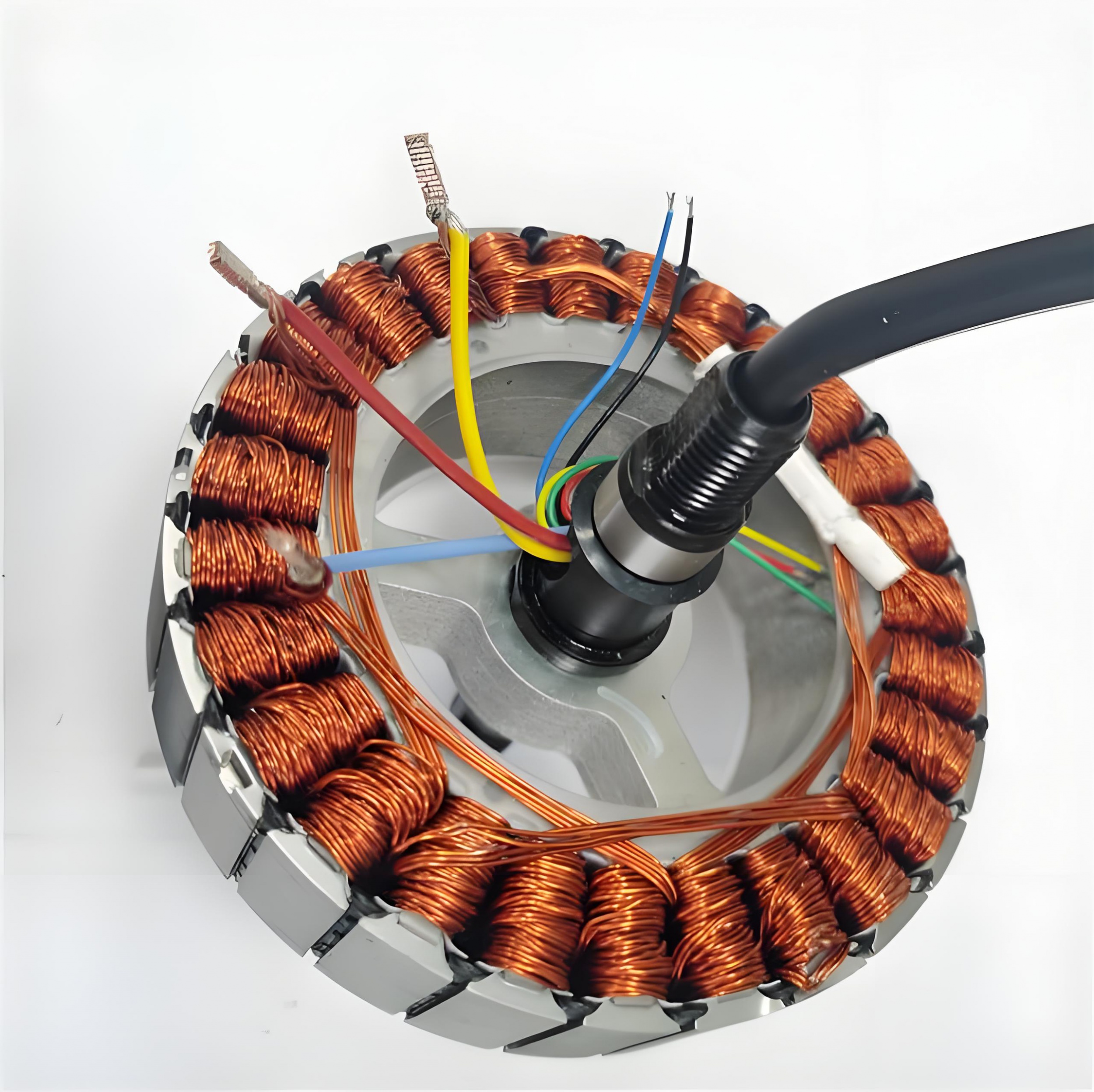
The welding of enamel copper wire in electric motor production has traditionally relied on oxyhydrogen flame methods, which pose challenges in terms of precision, efficiency, and environmental impact. However, the emergence of ultrasonic welding machines offers a promising alternative, revolutionizing the way enamel copper wire connections are made. This article explores the technology behind ultrasonic welding machines for electric motor enamel copper wire and highlights the advantages they offer over oxyhydrogen flame methods.
Introduction:
Enamel copper wire is a crucial component in electric motors, and the quality of its welding directly impacts the performance and reliability of the motor. Traditionally, oxyhydrogen flame welding has been used to join enamel copper wire connections. However, this method has limitations in terms of precision, consistency, and environmental sustainability.
Technology Overview:Ultrasonic welding machines utilize high-frequency mechanical vibrations to create solid-state welds between metals. In the context of electric motor enamel copper wire welding, ultrasonic welding offers several advantages:
- Precision: Ultrasonic welding ensures precise control over the welding process, resulting in consistent and high-quality connections.
- Efficiency: The automated nature of ultrasonic welding machines improves production efficiency and reduces labor costs.
- Environmental Friendliness: Unlike oxyhydrogen flame welding, ultrasonic welding does not produce harmful emissions or require flammable gases, making it a more environmentally friendly option.


Ultrasonic welding machines for electric motor enamel copper wire are poised to revolutionize the manufacturing industry by offering a safer, more precise, and environmentally friendly alternative to oxyhydrogen flame welding. As technology continues to advance, ultrasonic welding is expected to become increasingly prevalent in electric motor production, driving innovation and sustainability in the industry.

Conclusion:
The advent of ultrasonic welding machines marks a significant step forward in the welding of enamel copper wire for electric motors. By offering enhanced precision, efficiency, and environmental sustainability compared to traditional oxyhydrogen flame methods, ultrasonic welding machines are paving the way for a brighter and more sustainable future in electric motor manufacturing.



Products
CONTACT US
Sales manager: Lisa
Whatsapp/wechat:+08615006191865
Email:qjmachinery@gmail.com
COPYRIGHT © 2025 Wuxi Qijiang Precision Machinery Co., Ltd all rights reserved
