 Qijiang Precision Machinery
Service Center
 Whatsapp
Contacts
Contact
Lisa
Whatsapp
08615006191865
WeChat
08615006191865
Qrcode

Scan Whatsapp
Service Center


Qijiang
Precision Machinery

Ultrasonic Welding Machine for Copper Wire to Brass Terminal
Time: 2024-06-14 14:52:53
Click:
Ultrasonic welding is a widely used technique for joining materials, particularly metals and plastics, without the need for solder, flux, or adhesives. This method is particularly effective for joining copper wire to brass terminals, as it creates a strong, reliable bond with minimal thermal impact on the materials.
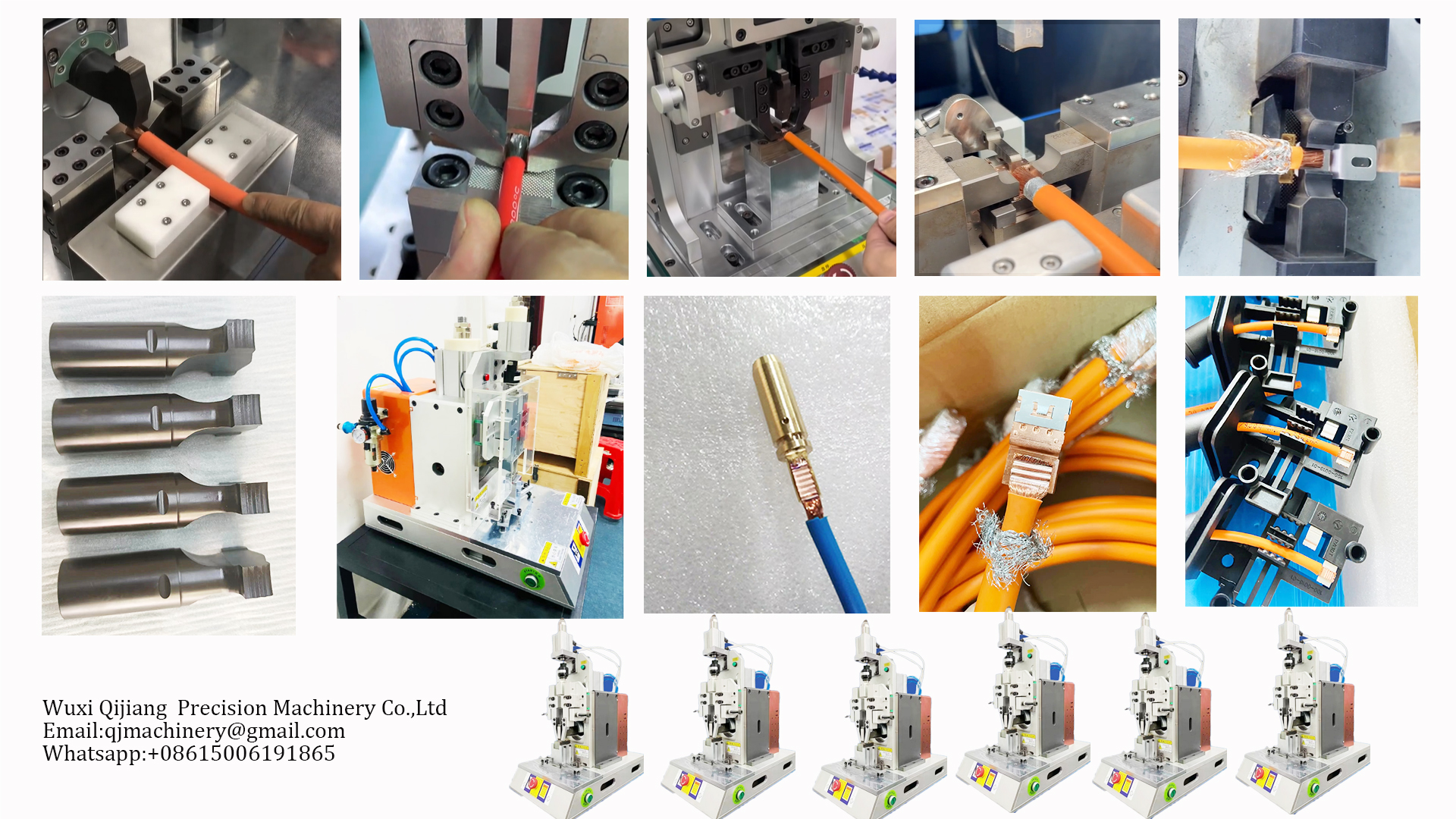
Benefits of Ultrasonic Welding for Copper Wire to Brass Terminal
- High Bond Strength: Ultrasonic welding creates a robust metallurgical bond between the copper wire and the brass terminal.
- Fast Process: The welding process is rapid, often taking just a few seconds, which is ideal for high-volume production.
- No Consumables: Unlike traditional soldering, ultrasonic welding does not require solder, flux, or adhesives, reducing material costs and environmental impact.
- Low Thermal Impact: The process generates minimal heat, preserving the integrity of the materials and avoiding thermal damage to sensitive components.

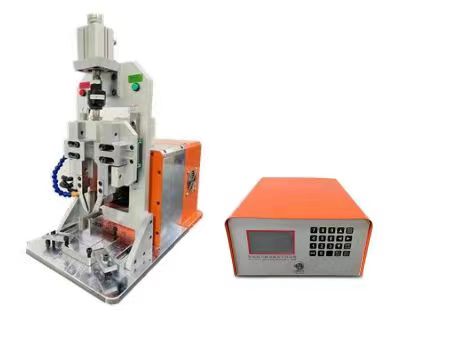


How Ultrasonic Welding Works
- Preparation: The copper wire and brass terminal are cleaned to remove any contaminants that could interfere with the welding process.
- Positioning: The copper wire is placed in contact with the brass terminal within the welding machine.
- Welding Process: High-frequency ultrasonic vibrations are applied to the materials. These vibrations cause friction at the interface, generating localized heat that softens the metals and allows them to bond.
- Cooling: The materials cool rapidly, solidifying the bond without the need for additional cooling methods.
Key Components of an Ultrasonic Welding Machine
- Transducer: Converts electrical energy into high-frequency mechanical vibrations.
- Booster: Amplifies the vibrations produced by the transducer.
- Sonotrode (Horn): Directs the ultrasonic energy to the welding interface.
- Anvil: Holds the parts in place and provides a counterforce to the sonotrode.
- Control System: Manages the welding parameters such as time, pressure, and amplitude of the vibrations.
Applications of Ultrasonic Welding in Copper to Brass Connections
 s
s- Automotive Industry: Used in the assembly of wiring harnesses, connectors, and terminals.
- Electronics: Ideal for creating reliable electrical connections in various electronic devices.
- Medical Devices: Ensures strong bonds in devices where reliability is critical.
Advantages Over Traditional Soldering
- Speed: Ultrasonic welding is significantly faster than soldering.
- Quality: Provides consistent, high-quality joints without the variability associated with soldering.
- Environmental Impact: Eliminates the need for consumables that can be harmful to the environment.
- Energy Efficiency: Ultrasonic welding consumes less energy than traditional soldering processes.
Conclusion
Ultrasonic welding is an efficient, reliable, and environmentally friendly method for joining copper wire to brass terminals. Its benefits over traditional soldering make it a preferred choice in industries requiring high-quality electrical connections. With advancements in ultrasonic welding technology, its applications continue to expand, offering new opportunities for manufacturing and assembly processes.
Specifications of an Ideal Ultrasonic Welding Machine for Copper to Brass
- Frequency Range: 20 kHz
- Power Output: 2000 W to 5000 W
- Welding Time: Adjustable from 0.1 to 5 seconds
- Pressure Range: 0.1 to 6 MPa
- Control Interface: Digital display with programmable settings


Products
CONTACT US
Sales manager: Lisa
Whatsapp/wechat:+08615006191865
Email:qjmachinery@gmail.com
COPYRIGHT © 2025 Wuxi Qijiang Precision Machinery Co., Ltd all rights reserved
